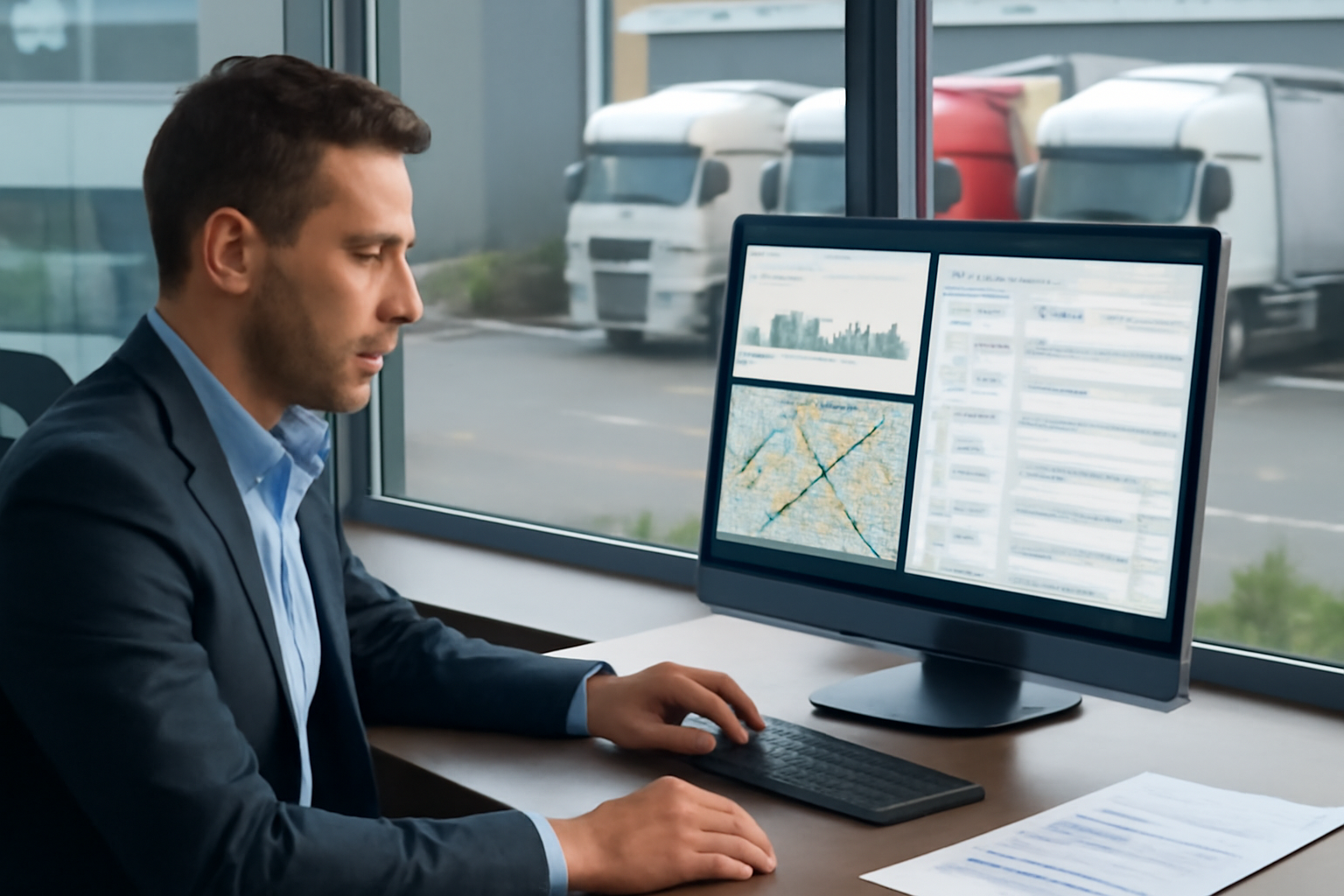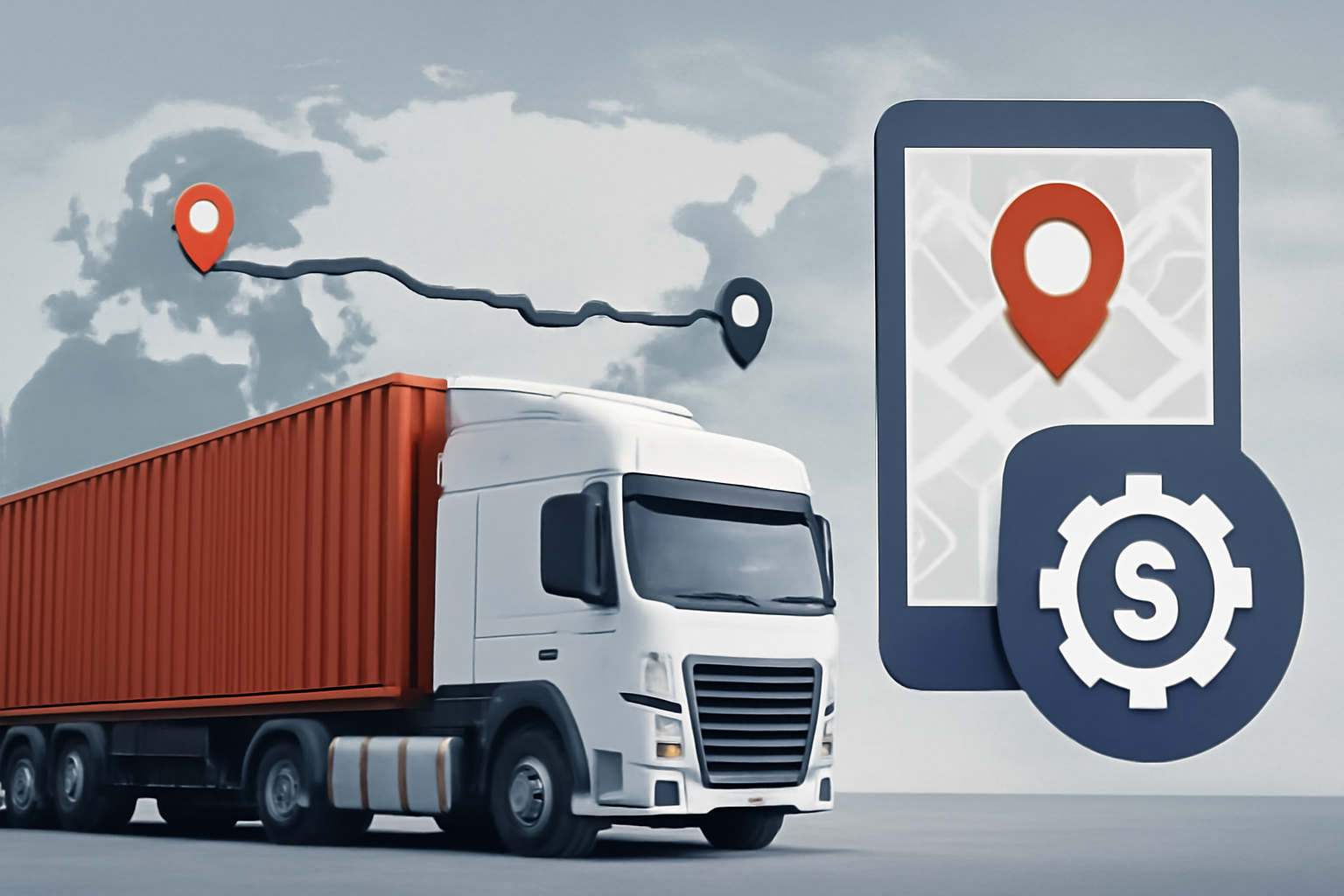
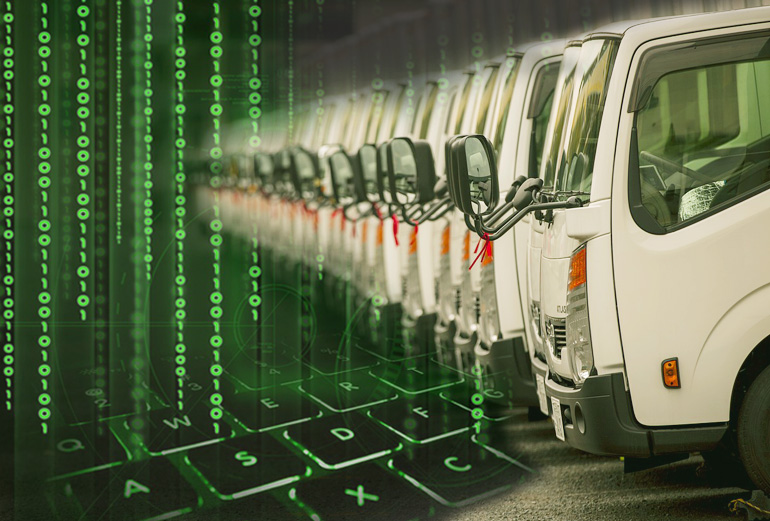
Domestic and international road freight transport is a highly dynamic sector of the economy. Increasing competition in the market requires freight forwarding and transport companies to constantly seek out system solutions. This is where modern ICT solutions come to the rescue... One such solution is telematics systems, which utilise telecommunications, IT and information capabilities.
A few words about what telematics actually is
The term itself originates from French (télématique) and was introduced into the subject literature in the 1980s, and a little later began to be used in English (telematics). The name was created by combining the words telecommunications (télécommunications) and IT (informatoque).
Transport telematics covers systems that, through data transmission and analysis, allow for influencing road users and the operation of technical components in vehicles. In Europe, the term transport telematics began to be widely used from the early 1990s as a result of the inclusion of telematics in the European Union's framework programmes. Currently, there is an intensive and, as it turns out, very promising development of transport telematics systems worldwide, including in Poland.
It enables the use of technology and methods for remote data access and vehicle control, with an appropriate GPS monitoring system forming the basis for fleet management.
Therefore, to avoid falling behind the competition, transport companies should promptly begin implementing telematics systems. Managers of such companies should be aware that telematics is designed to meet their needs.
What can be gained in this way?
Firstly, the use of telematics systems allows for reducing fuel consumption costs, which is particularly important at present. An effective and exemplary solution for detecting irregularities in refuelling and fuel consumption is the installation of GPS modules together with fuel level probes. This solution brings the much-anticipated results in a short time. It enables you to determine where and when, for example, a sudden drop in tank level occurred during a stop. Reports from the systems will provide answers regarding these anomalies.
The second important element is obtaining the right information – this makes it possible to complete an order "to perfection" ("na medal"), resulting in both economic and qualitative satisfaction from completed tasks.
The use of such systems also assists in planning optimal routes for orders in terms of travel time, route length, and road tolls. It is now possible to locate and observe vehicles in real time. Remember, this is a basic function of any system supporting fleet management. For example, in most heavy goods vehicles manufactured before 2003, the CAN (Controller Area Network) bus was not installed, which in newer vehicles enables the identification and transmission of key parameters concerning vehicles and driver activity, and can be successfully integrated with a GPS monitoring system.
In addition to improving a company's economic efficiency and the security of transported cargo, these systems enable the control of driver work parameters, vehicle monitoring, and support in managing transport orders. The search for savings has become the cornerstone of every modern, efficiently managed transport company.
Is it really that much help?
Yes, but how does it work...
Telematics systems operate based on devices and appropriately configured applications, utilising, among others: GSM mobile networks, internet networks, satellite navigation systems (GPS), and radio communication, as well as road databases, reports from road traffic and weather monitoring devices, and data from devices adapted for system users.
The GPS/GPRS (General Packet Radio Service) system forms the foundation of modern telematics systems and uses a satellite navigation system that provides precise determination of position, speed, direction of vehicle movement, and time. This system consists of a network of 24 satellites orbiting in six orbital planes, as well as a terrestrial digital network and mobile telephony. The entire system structure is described in more detail in the article "Vehicle monitoring system".
Transport telematics encompasses the control and management of transport systems and networks. It is an integrated system for measuring, transmitting, processing, and controlling parameters. The aim is to increase road safety, shorten travel times, ensure smooth traffic flow on controlled road sections, and reduce fuel consumption. Telematics technologies are integrated with physical transport systems, tailored to the needs of these systems and the tasks they perform. They have begun to become part of the equipment of transport infrastructure and vehicles.
Why all this...
The implementation of telematics systems in a company translates into improved fleet management.
The dynamic development of the road transport market in Poland in recent decades, as well as the several-fold increase in the number of vehicles engaged in international transport, have significantly increased price competition between companies. By deciding to use telematics systems in your company, you can, given the current market situation, gain a modern and efficient tool for carrying out transport orders.
Nowadays, the speed of information flow and information management often determine the crucial competitive advantage of a rapidly developing company in the transport sector. Return