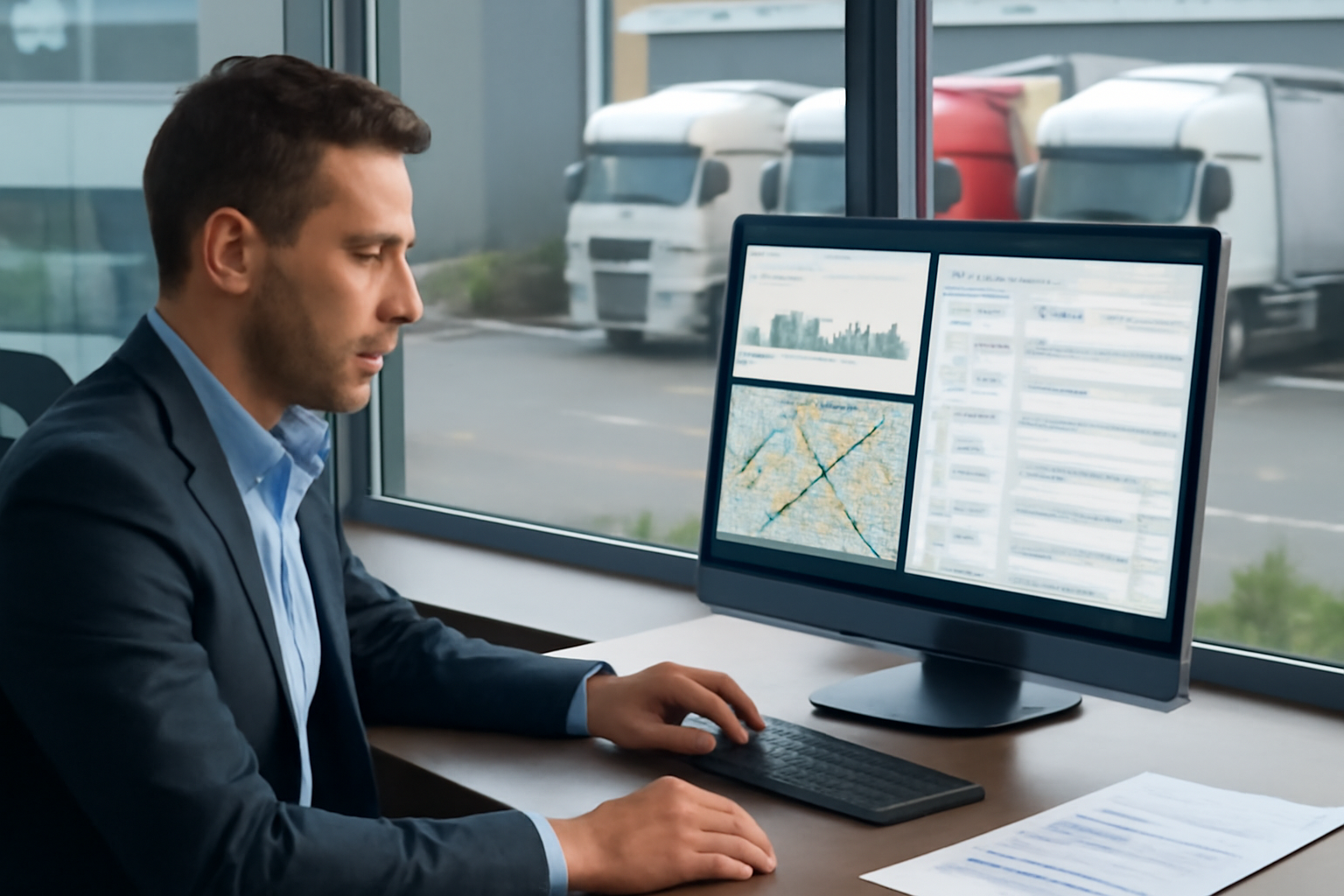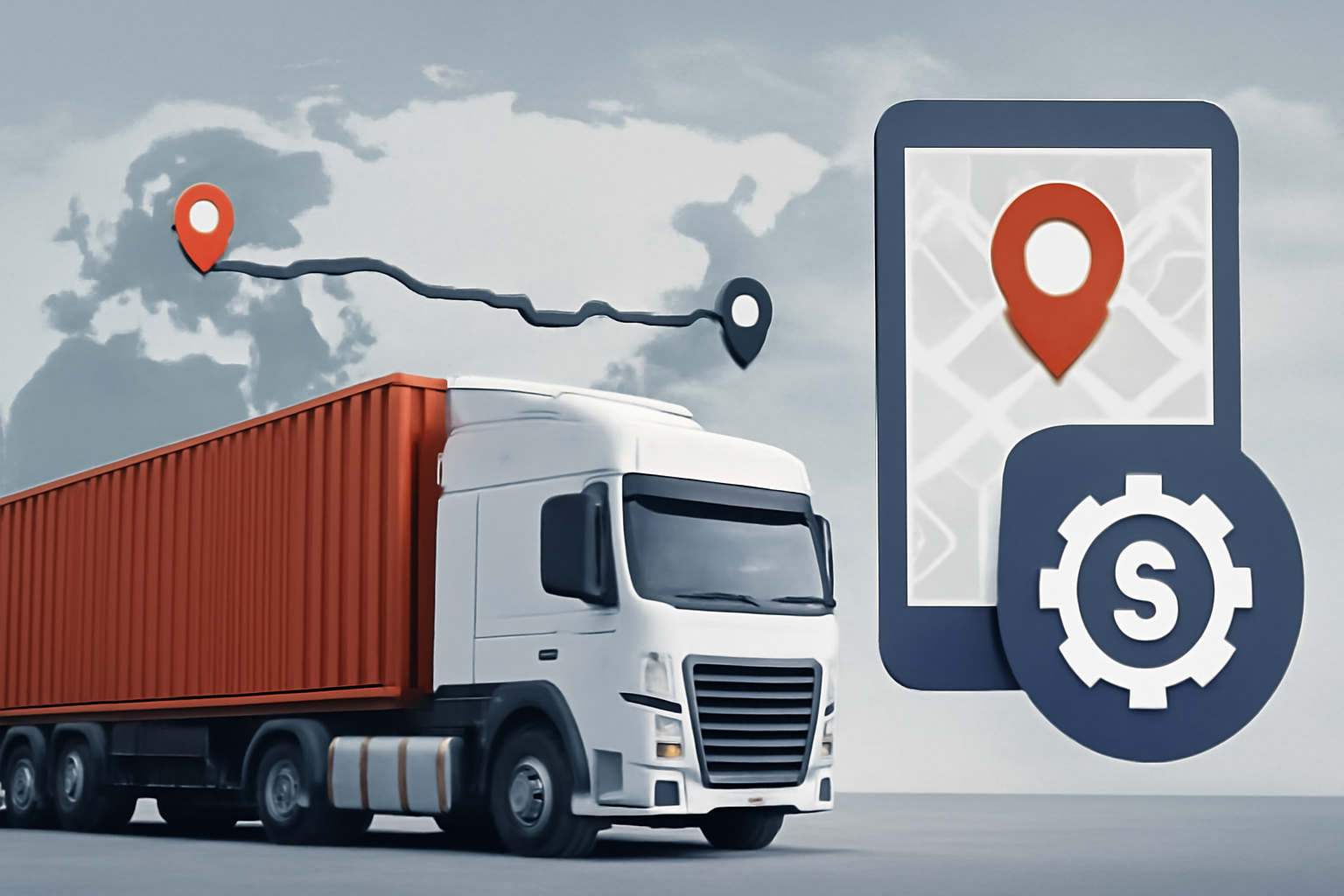
A company with a fleet of vehicles often faces the challenging task of supervising what is happening with them. Since vehicles are usually constantly on the move, this task is by no means simple. However, the Vehicle Monitoring System is a solution to this problem.
Before we describe the current capabilities, a few words about how things used to be.
The basis for accounting for a company vehicle was the journey log. The driver would record where they had been, with whom, and for what purpose. Of course, they would also enter the distance travelled based on the vehicle's odometer. Once completed, the log would be submitted to the company's accounting department. There, based on fuel consumption standards and purchase invoices, the appropriate settlements were made. Naturally, such a system was flawed and left room for abuse.
Today, thanks to GPS, GSM technology and computers, we have entirely new possibilities in this area.
The foundation for fleet management is an appropriate monitoring system.
Yes, an entire system, not just a GPS tracker. Often, those who own a few vehicles and wish to monitor them think that purchasing GPS trackers will solve the problem. However, this is not the case. A complete system is required.
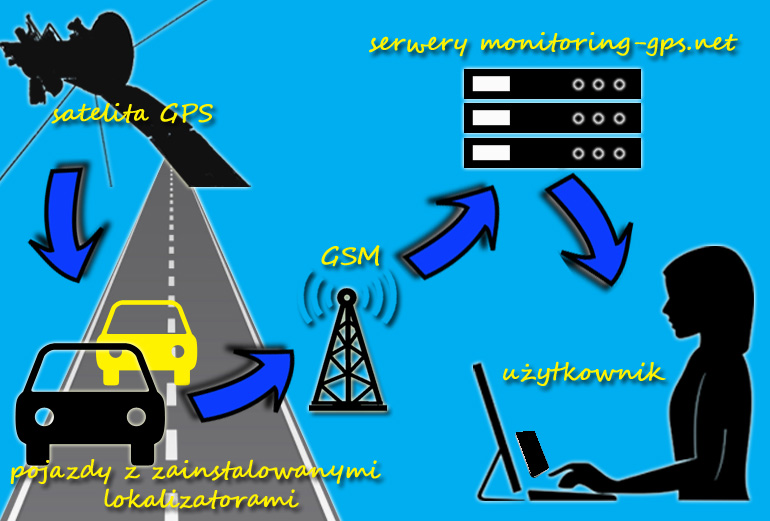 vehicle monitoring system
A vehicle monitoring system consists of several components, including:
- GPS tracker
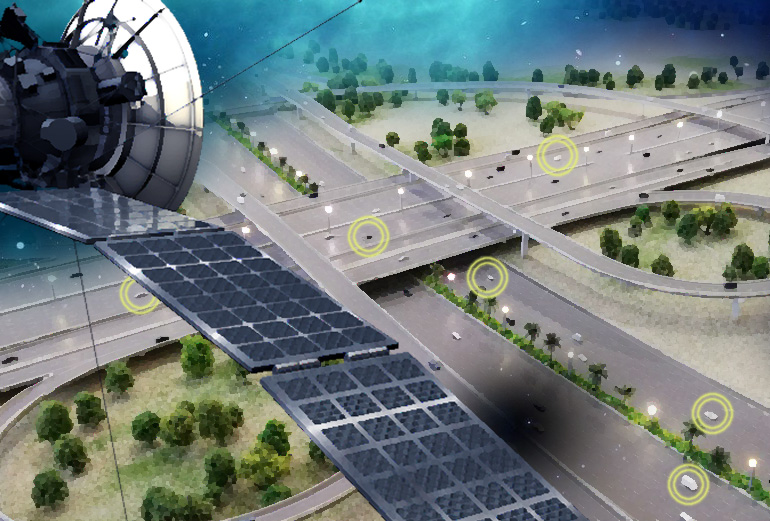
The basis of any monitoring system is a small device installed in the vehicle. It usually consists of a GPS module, a GSM modem, and a microprocessor. The entire unit operates in a fairly simple manner. The GPS module receives data about the vehicle's location and sends it to the microprocessor. The microprocessor processes and formats the data appropriately, then sends it to the GSM modem. The modem establishes a connection with the server and transmits the vehicle's location data. This simple process is typically repeated every 30 seconds or so. In this way, data is collected and sent to the server.
A good vehicle monitoring system must be based on reliable, proven, and dependable GPS trackers. Good, in the first instance, means manufactured domestically from quality components by a reputable producer. It is a mistake to rely on Chinese-made trackers. They are cheap but unpredictable in operation, and in the event of a failure, they cannot be repaired. They are only fit for disposal.
- Data receiving server
A company providing monitoring services bases them on a data receiving server. It may seem that a server is just a server and there are no differences. However, it turns out that some offers are based on free Russian or Chinese servers. The offer is prepared in such a way that an inexperienced buyer may not notice this. So, what should you pay attention to?
First, check whether the monitoring company has its own servers and where they are located. It should be a professional Data Centre located in Poland. Only such facilities can provide the appropriate level of physical security for the machine and adequate accessibility. Such a server will ensure the continuity of vehicle monitoring services. Naturally, the company should have a server farm to respond quickly in emergency situations.
- Database
The data receiving server has a database programme installed. Various such programmes are available on the market. From the perspective of the vehicle monitoring system user, the performance and stability of such a programme are crucial. All data regarding the vehicles' locations collected by the system are stored in this database. Another important parameter is how long your data is stored. This should not be less than one year.
- Data access application
This is a very important element of the entire system. It is responsible for the convenience and speed of operation. It is through this application that the user views their data. At the outset, it should be noted that there are two types of software. One requires installation on the user's computer, while the other operates in a web browser.
Currently, the latter solution is more common and has many advantages. The first is version consistency. In this situation, you can always be sure you are using the latest version of the application. Additionally, this approach guarantees a quick response from support to your feedback, and updates appear immediately on your computer without the need to download and install a new version.
Of course, the application itself should have reasonably extensive functions.
First and foremost, features enabling online vehicle tracking and route analysis on a map are essential. But that's not all. Analysing what is happening with the vehicle fleet requires many summaries and reports. Therefore, the application should be able to generate reports in a variety of views. Reports on the number of kilometres travelled, working time, as well as reports broken down by vehicle and by driver, are needed. The possibilities are truly numerous.
- API for integration with other systems
This component is necessary for companies with large fleets. The API enables the transfer of data from the monitoring system to other applications, mainly accounting and analytical programmes. This saves time on tedious data copying for accounting or analysis purposes. The API should be flexible enough to be easily adapted to various IT systems.
As you can see, a vehicle monitoring system comprises many elements. Each of them is important, and relying solely on the purchase of a GPS tracker and connecting it to a free, basic monitoring server is an incomplete and generally ineffective solution. Only when all elements are combined into a single whole does one gain a true picture of the fleet's operation.
That is why it is so important that all these elements are provided by a single, reputable supplier. This allows them to maintain stable operation, quickly and accurately resolve any faults, and thoroughly supervise the entire system.
The cooperation of all these components enables effective vehicle accounting in companies. Such a system allows for significant savings in both fuel and employee working time.
Back