Mileage allowance is a system for settling the kilometres travelled by an employee using private passenger cars, motorcycles, and mopeds that are not owned by the employer. Under this system, the employee receives an additional payment to their salary. It enables the employee to account for the costs of using their vehicle, and the employer can deduct these costs from tax.
New mileage allowance rates apply
On 17 January 2023, a new regulation by the Minister of Infrastructure, Andrzej Adamczyk, came into force, changing the mileage allowance rates that had been in effect since 2007. The current rates are:
- passenger car with engine capacity less than or equal to 900 cm3 – 0.89 PLN
- passenger car with engine capacity over 900 cm3 – 1.15 PLN
- motorcycle – 0.69 PLN
- moped – 0.42 PLN;
These are the maximum cost values covered by the employer for the use of a private vehicle for business purposes, both for local journeys and business trips. The mileage allowance rate depends on the type of vehicle used by the employee. The legislator allows the use of a passenger car, motorcycle, or moped. The rate per 1 km travelled is used to determine the reimbursement of costs.
How to correctly settle mileage allowance
To correctly settle mileage allowance, several important rules must be followed.
- Maintaining a vehicle mileage log:
The employee should keep a mileage log, recording the date, purpose of the journey, number of kilometres travelled, and fuel costs. - Determining the rate per kilometre:
The employer should apply the currently applicable rates for each kilometre travelled, which the employee receives as an addition to their salary. - Settlement with the employer:
The employee should present the mileage log to the employer for settlement. - Documentation:
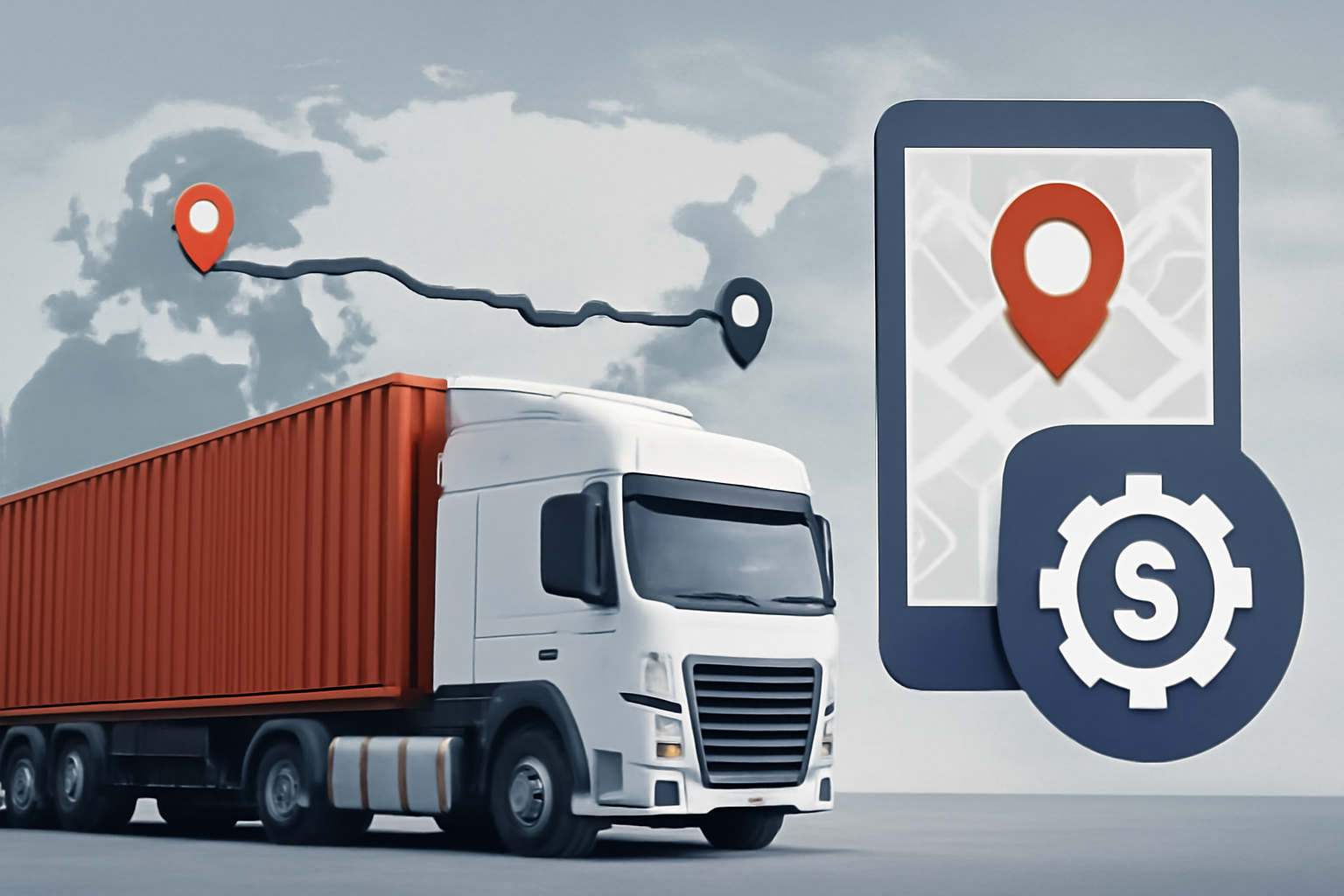
The employer should have appropriate documentation confirming the costs related to the use of a company vehicle by the employee. The Monitoring-GPS.net system is helpful in settling mileage allowance rates and correctly storing data. The "Mileage Allowance" ("Kilometrówka") function, which allows you to configure notifications and generate vehicle mileage reports, is used to maintain full documentation in accordance with the guidelines of the Tax Office (Urząd Skarbowy). - Compliance with legal regulations:
The employer should comply with tax law regulations regarding the settlement of company vehicle usage costs.
How to calculate an employee's mileage allowance
To calculate an employee's mileage allowance, multiply the number of kilometres travelled by the rate per kilometre applicable to the given vehicle.
Formula:
Mileage allowance = number of kilometres travelled x rate per kilometre
Example:
If an employee has travelled 10,000 km and the rate per kilometre is 0.5 PLN, their mileage allowance is: 10,000 x 0.5 = 5,000 PLN
What expenses are allowed under the mileage allowance?
The employee may only receive a lump sum payment resulting from the calculated mileage allowance. For the employer, the tax-deductible cost cannot exceed the amount stated in the employee's declaration. This means the employee cannot additionally submit invoices for fuel or other services, such as maintenance.
Is mileage allowance taxable?
Benefits for business travel are exempt from tax and ZUS contributions, but only up to the amount specified in the act. The rates specified in the regulation are maximum rates. The employer may, at their discretion, pay the employee more, but tax and ZUS exemptions apply only up to the amount resulting from multiplying the maximum rate by 1 km travelled.
MORE INFORMATION