On 14 March 2024, new regulations were introduced under which drivers face vehicle confiscation for driving after consuming alcohol. Individuals who drive, for example, a car or motorcycle with at least 1.5 per mille of alcohol in their blood will lose their vehicles.
This regulation is a new tool in the fight against drink-driving.
Drunk drivers are not just statistics; they represent real tragedies and dangers that affect the lives of many innocent people. Despite numerous public awareness campaigns, the imposition of many severe penalties and controls, the problem of drink-driving remains a pressing challenge for society. The plague of drunk drivers is a major issue on the roads. Drivers under the influence still pose one of the most serious threats, and there are still too many of them on Polish roads.
According to police data, in 2023 around 90,000 people were detained for driving under the influence of alcohol. As a result of legislative changes prepared by the Ministry of Justice (Ministerstwo Sprawiedliwości), a new measure has been introduced – the confiscation of vehicles from drunk drivers.
Protecting road safety and combating dangerous behaviour by irresponsible drivers. This is the goal that the Ministry of Justice (Ministerstwo Sprawiedliwości) is consistently pursuing by tightening penalties for road offenders.
source: Portal Gov.pl
What does vehicle confiscation mean for the driver?
Vehicle confiscation is a measure applied in cases of serious breaches of road traffic regulations related to drink-driving. It involves the temporary or permanent removal of the offender’s vehicle. This penalty is intended not only to punish the offender but also to prevent repeat offences and protect other road users.
The decision to confiscate a vehicle is made by a court based on objective evidence of a breach of regulations concerning driving under the influence of alcohol.
Vehicle confiscation may also be treated as a form of asset security, intended to ensure that the offender cannot continue to use the vehicle in a manner dangerous to society. In some cases, vehicle confiscation may be temporary, meaning that after serving the penalty, the owner has the right to reclaim their vehicle.
This is a serious sanction that can have a significant impact on the life and financial situation of the person concerned.
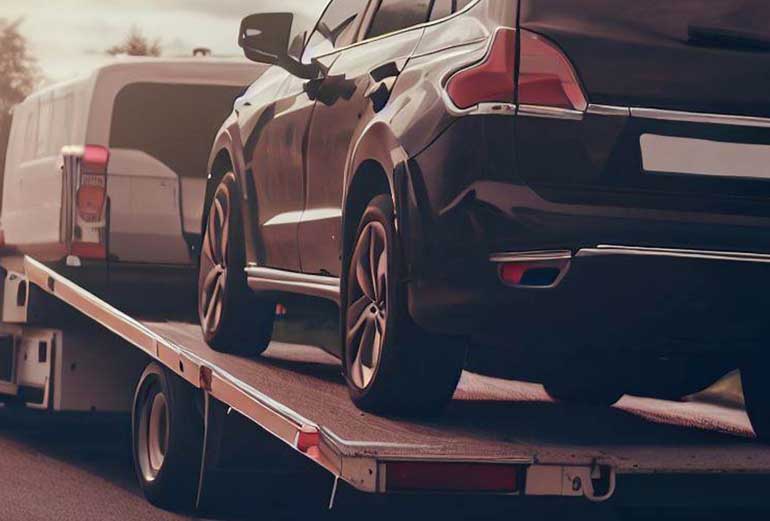
When will a drunk driver lose their vehicle?
The severe penalty of vehicle confiscation for driving under the influence will apply to a driver in several cases. Firstly, when the driver has at least 1.5 per mille of alcohol in their blood. The second reason will be if the driver is a repeat offender, or if they caused an accident while drunk and fled the scene.
The stages of vehicle confiscation for drink-driving are as follows:
- The police seize the vehicle for up to seven days
- The vehicle is secured by the prosecutor’s office
- The court decides on the forfeiture of the vehicle to the State Treasury
Absolute vehicle confiscation applies to individuals who, while driving under the influence of alcohol, had at least 1.5 per mille of alcohol in their blood. For repeat offenders, the lower limit of blood alcohol concentration is 0.5 per mille if they caused a road accident or were again detained for driving under the influence.
When will a driver not lose their vehicle?
The court may refrain from ordering forfeiture in the absence of an accident or in the presence of other significant circumstances.
The new regulations provide an exception from vehicle confiscation for those driving under the influence of alcohol while performing professional or official duties on behalf of an employer.
In such situations, the court will impose a compensatory payment ranging from PLN 5,000 to PLN 60,000. The amount is to be transferred to the Fund for Victim Assistance and Post-Penitentiary Aid (Fundusz Pomocy Pokrzywdzonym oraz Pomocy Postpenitencjarnej).
If the vehicle is leased or has multiple registered owners, in such cases the court will order the equivalent value of the vehicle. The decisive value will be that indicated in the insurance policy.
How to avoid the penalty of vehicle confiscation for drink-driving?
Unintentional intoxication is a common problem that can lead to tragic consequences on the roads. Even if we feel fine, after consuming alcohol our ability to assess our own sobriety may be significantly impaired. It is important to remember that alcohol can affect our psychomotor abilities even long after consumption.
- The best approach is to avoid driving after consuming any alcohol at all
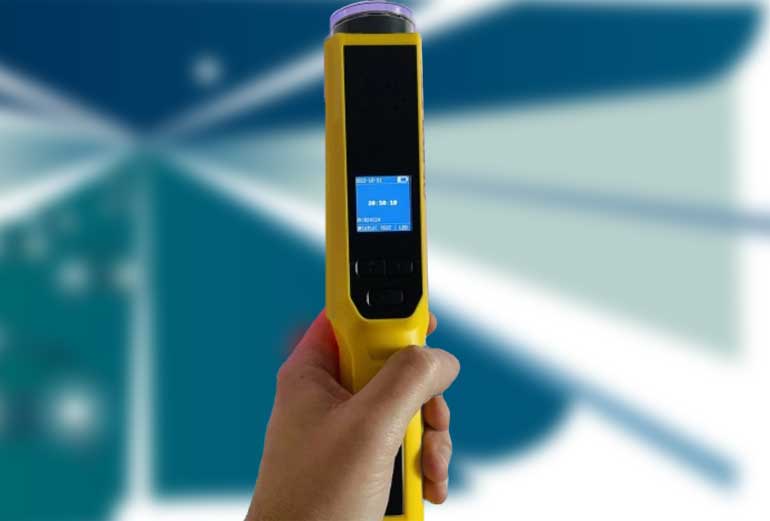
- It is always worth checking your sobriety before driving and setting off. You can check your sobriety free of charge at any police station, or by using your own breathalyser.
- Investing in a personal breathalyser can be an effective way to ensure greater certainty about your sobriety.
- It is also worth noting that using a breathalyser before a journey can save lives, both your own and those of other road users. If you have any doubts about your sobriety, it is always better to choose alternative means of transport.
Awareness of the risks associated with drink-driving can help reduce the number of road accidents. Therefore, education on safe driving and the tragic consequences of driving under the influence of alcohol should be continued and promoted in society.
Which European countries have similar vehicle confiscation regulations?
Vehicle confiscation regulations are in force in 12 European countries: Belgium, Denmark, Estonia, Finland, France, Lithuania, Luxembourg, Latvia, Slovakia, Slovenia, Switzerland, and Italy. In Austria, confiscation also applies for other offences, such as significant speeding.
Summary
The new vehicle confiscation regulations are primarily aimed at increasing road safety. By introducing stricter penalties for those driving under the influence of alcohol, the law seeks to deter drivers from risky behaviour behind the wheel. As a result, reducing the number of road accidents caused by drunk drivers may help decrease the number of casualties and limit material damage. Striving for responsible driving is not only about protecting the lives of drivers, but also about caring for the safety of all road users.
MORE INFORMATION