EcoDriving, also known as economical driving, is a way of driving a car that enables you to cover a route as quickly as possible while minimising fuel consumption and emissions, leading to financial savings and environmental benefits.
EcoDriving
Here are some basic principles of EcoDriving:
- Smooth driving: Avoid sudden acceleration and braking. Try to maintain a steady speed by anticipating road situations and adapting accordingly.
- Early gear changes: In vehicles with a manual gearbox, try to shift up at lower engine revs to reduce fuel consumption.
- Appropriate speed: Drive at a moderate speed. The most fuel-efficient speed is around 50–90 km/h.
- Avoid idling: If you expect to be stationary for more than a minute, switch off the engine.
- Optimal load: Try not to overload the car. Every additional kilogram increases fuel consumption.
- Correct tyre pressure: Check tyre pressure regularly. Under-inflated tyres increase rolling resistance and fuel consumption.
- Limit use of air conditioning: Air conditioning and other electrical devices increase fuel consumption, so use them sparingly.
- Anticipate road situations: Observe the road ahead to avoid sudden manoeuvres. Smooth driving helps reduce fuel consumption.
- Regular technical inspections: Keep your car in good technical condition. Regular servicing and maintenance can contribute to more efficient fuel use.
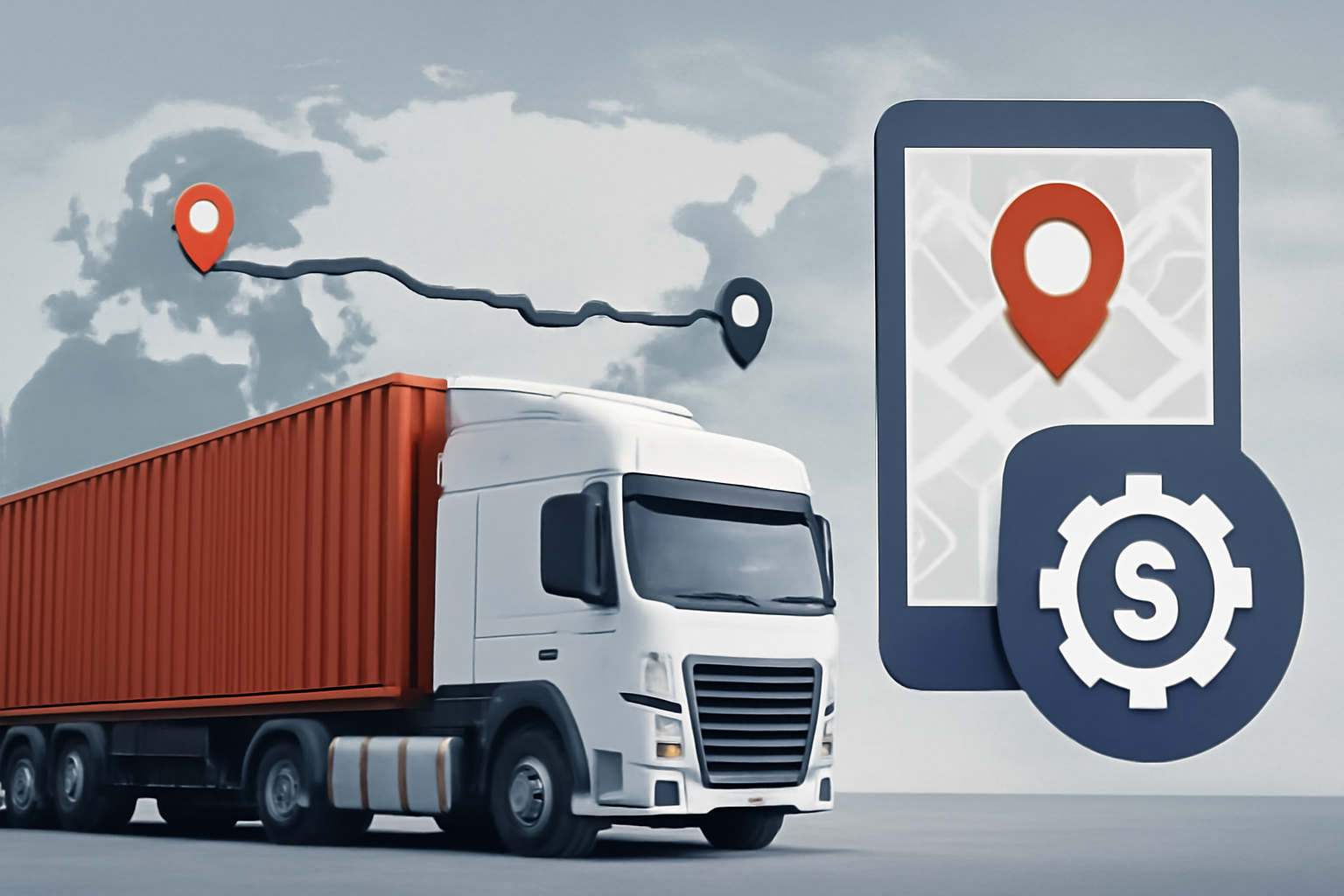
- Use GPS navigation Using GPS navigation with traffic information (we recommend the free Google Maps navigation app for your phone) or communication via CB radio is also a good way to achieve optimal driving and reduce fuel consumption. Taking a shortcut or detour to avoid traffic jams can save not only fuel but also a lot of time.
EcoDriving not only helps you save on fuel costs, but also contributes to reducing CO2 and other harmful emissions, which is beneficial for the environment.
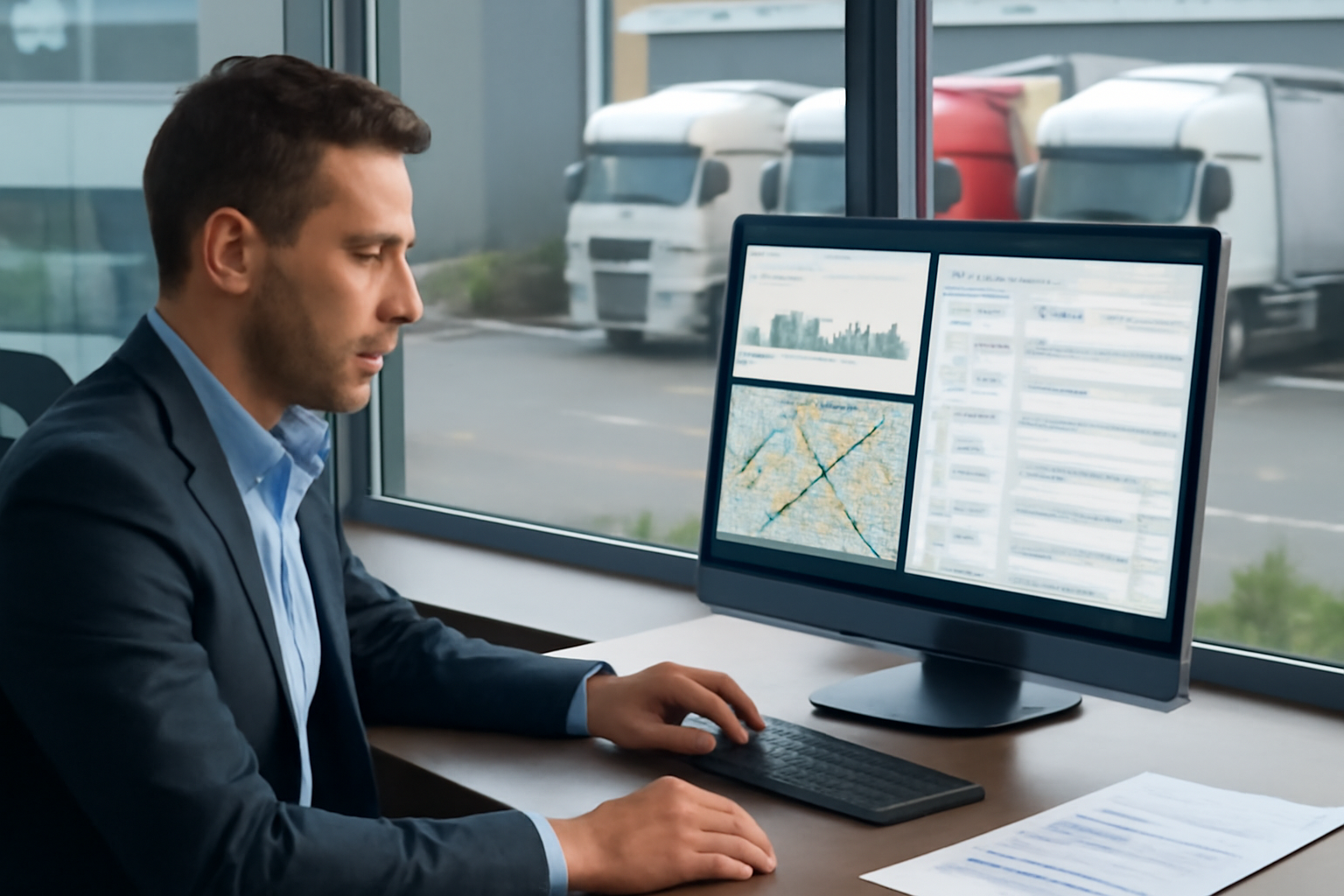
Companies in the transport and trade sectors effectively address these challenges thanks to vehicle location capabilities. Installing GPS vehicle tracking is an excellent solution. A GPS system enables monitoring of fuel levels in each vehicle and real-time tracking of driver behaviour.
Is it worth driving in ECO mode?
Lower fuel consumption also means lower emissions of harmful gases into the environment and the air we breathe. EcoDriving is therefore also environmentally friendly. It is worth trying to drive according to eco-principles.
Advantages of ECO mode include:
Reduced fuel consumption. ECO mode limits engine power and changes the way the gearbox operates, which can lead to lower fuel consumption, especially in urban and stop-start driving conditions.
Lower fuel consumption also means reduced exhaust emissions, which is beneficial for the environment.
ECO mode often encourages gentler acceleration and braking, which can result in smoother driving and less wear on vehicle components.
Lower fuel consumption translates into financial savings, especially on regular, long journeys.
When is it worth using ECO mode:
ECO mode is particularly beneficial in urban conditions, where you frequently stop and start. On regular, short journeys, ECO mode can help save fuel without significantly affecting driving comfort. On motorways, where you maintain a steady speed, ECO mode can be equally effective, helping to reduce fuel consumption.
In summary, it is worth using ECO mode if your goal is to save fuel, reduce emissions, and achieve smoother driving.
How to drive economically on the road?
When driving on the road, the optimal speed is between 90–120 km/h. Accelerating from 120 to 140 km/h can increase fuel consumption by up to 20%. In city driving – depending on traffic density and traffic light synchronisation – the speed considered economical is between 50 and 60 km/h.
Avoid exceeding the speed limit, as higher speeds significantly increase fuel consumption.
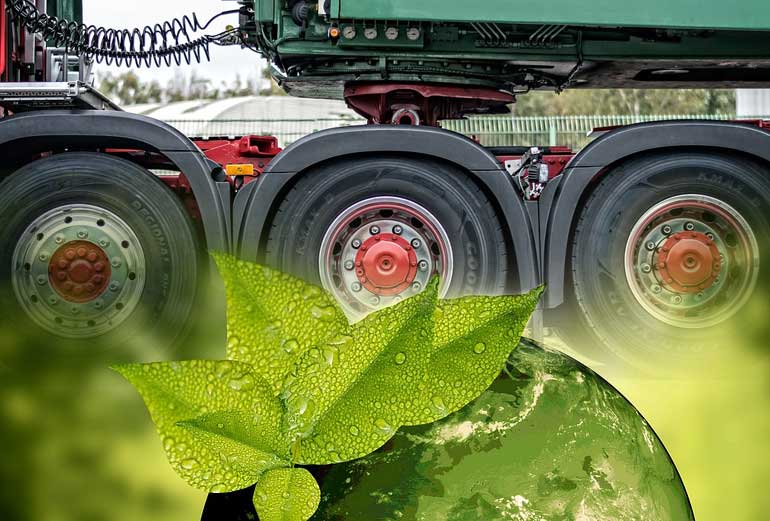
How to drive a lorry economically?
Distribute the load evenly – economical lorry driving assumes that the vehicle should be loaded equally on each axle, which reduces resistance while driving. Do not allow the load to shift during transit or overload the vehicle, as greater weight significantly increases fuel consumption.
Avoid unnecessary load: Remove any unnecessary items from the lorry that may increase its weight.
Ensure that the engine, fuel system, tyres, and other key components are in good condition.
Keep tyres in good condition and check the pressure regularly to reduce rolling resistance.
How to drive an automatic car economically?
If your car has an automatic gearbox, you do not need to worry about selecting the right gear. The vehicle's systems are designed to optimise engine performance.
Engine braking – when you see a red light ahead, take your foot off the accelerator immediately. Downshift as your speed decreases, rather than braking sharply just before the lights. Automatic gearboxes operate in this way.
When you finish accelerating, gently ease off the accelerator – this signals that you intend to maintain a steady speed. The automatic gearbox will shift up. Driving such a car is extremely simple and enjoyable, as well as environmentally friendly and economical.
It is recommended to practise EcoDriving techniques. This driving style allows you to save fuel and reduce emissions, which is beneficial both for your finances and the environment. EcoDriving involves smoother acceleration and braking, maintaining a steady speed, and anticipating road situations. As a result, driving becomes more comfortable and safer.
RECOMMENDED OTHER ARTICLES ON SIMILAR TOPICS